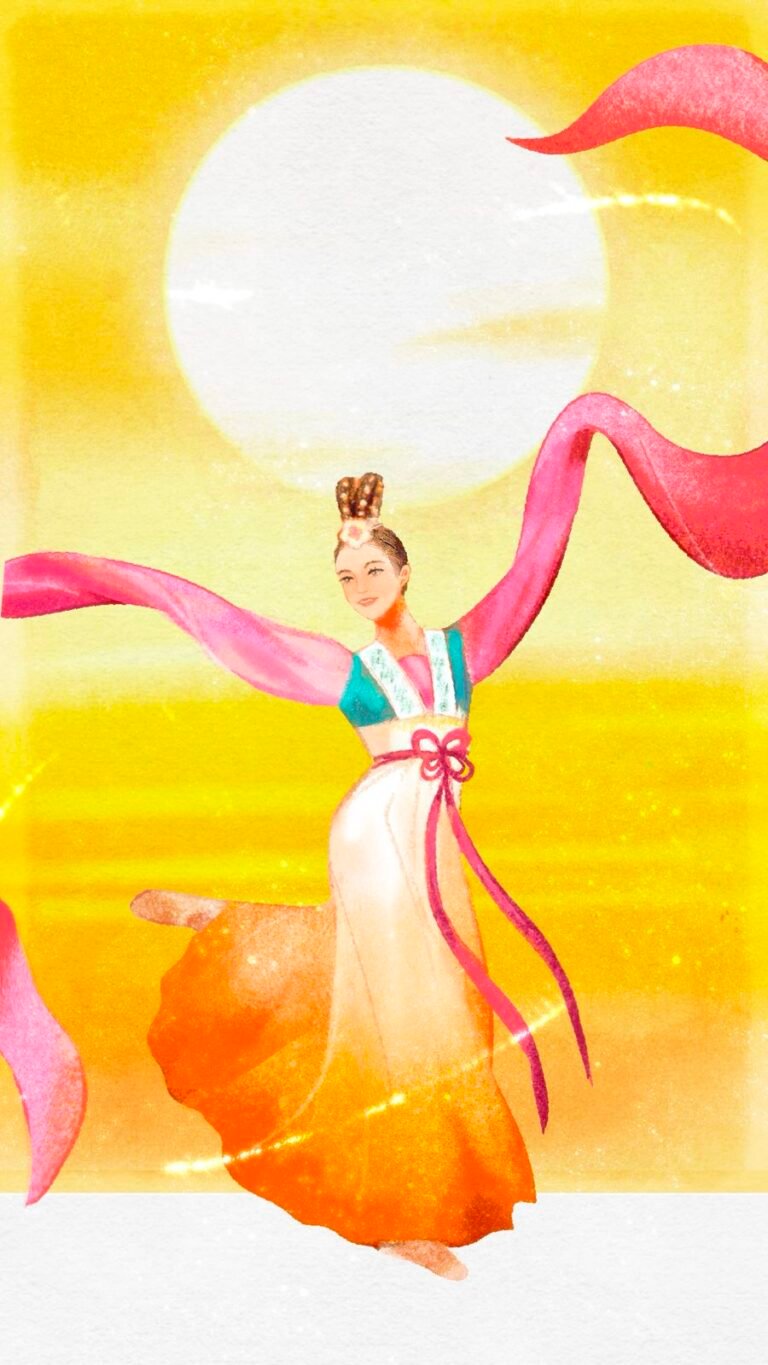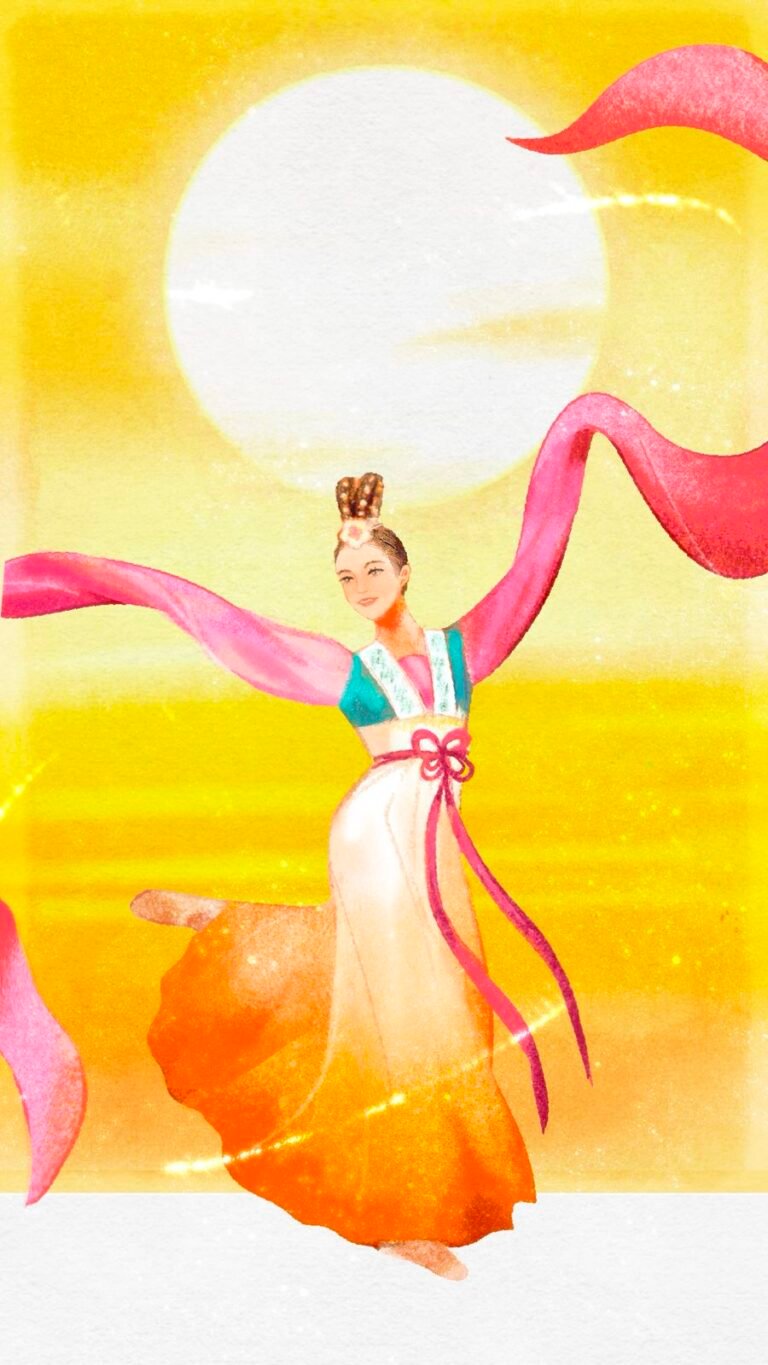

The blue dancer’s posture is light and graceful, so I tried to capture the dynamic movement with flowing lines.(Own work)
After watching a Shen Yun tour performance, one can’t help but wonder: why would an artistic show be obstructed?
According to reporting by The New York Times, former dancers who left Shen Yun receive considerably more media exposure, while voices of active performers are rarely reported—resulting in a perception of imbalance and bias in coverage.
On Vision Times I came across several news items about threats during Shen Yun tours, including incidents like vehicle tires being slashed. These real events may be entirely unfamiliar to general audiences, but seem almost routine to the Shen Yun troupe.
Recently the attacks have escalated even further. It’s curious that an American arts troupe cannot perform in China and even faces unfair media coverage in the U.S.—what exactly happened to a show about traditional Chinese culture?
Having seen Shen Yun myself, I was deeply struck by its artistic value. At my first performance, I felt an impulse to dance along—it gave me an unprecedented sense of freedom and joy.
The dancers’ fluid, pure, and crisp movements—only top-tier performers can emit such composure and strength—immersed me entirely. Often I would forget the challenges performers face and simply enjoy the beauty of dance.
My original reference drawing
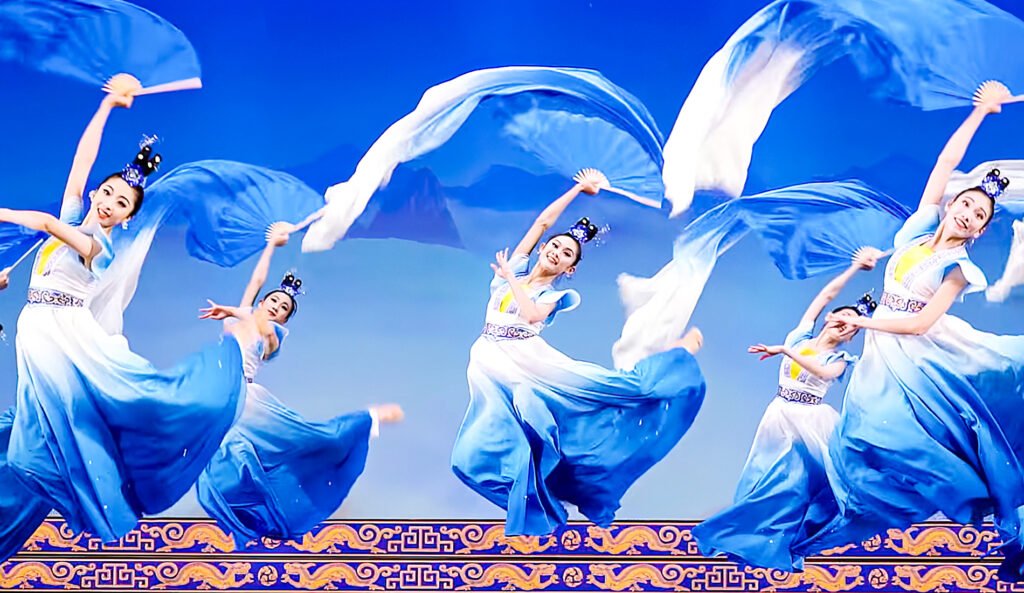
Beyond the visual impact,the program also taught me about the reality of Falun Gong’s persecution by the CCP. I learned that many Shen Yun performers come from families that endured such persecution. I believe that’s why they choose to use their art to let more people know about it.
The longstanding threats Shen Yun faces, combined with The New York Times’ unbalanced reporting, make me question whether there’s an intent to smear the artistic integrity of this performance.
I hope that in future Shen Yun performances, everyone can personally experience its true essence and power—unaffected by distorted or absent reporting.
Finally, I’ve attached related videos to help everyone understand the reporting events and how media employ a “chronicling style” play (春秋筆法) to shape public opinion. To me, it’s a precious lesson in international media literacy.
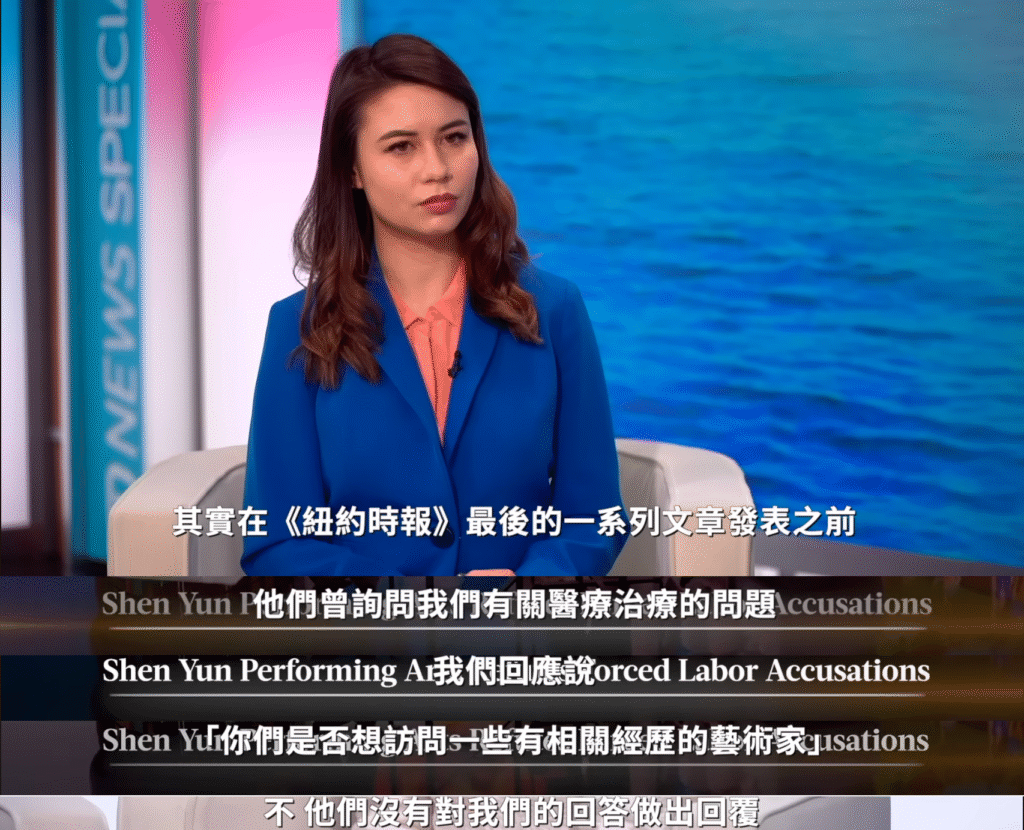
In the NTD special report at the 29:04 timestamp, it was mentioned that The New York Times raised medical-related questions regarding Shen Yun’s medical team. However, when the performing arts troupe proactively offered to arrange interviews with their internal artists to respond, The New York Times did not respond and instead went ahead to publish their exposé without addressing the troupe’s offers of comment.
【The CCP’s Long Arm Targeting a Religious Group in America: Justin Butterfield and Lea Patterson】
【Shen Yun Artists Respond to New York Times Articles】
Additional Context & Reporting Background
- In The New York Times‘ August and November 2024 investigations, it was alleged that Shen Yun discouraged performers from seeking medical care for injuries and enforced grueling rehearsal schedules with emotional pressure. These articles detailed claims such as denied treatments and underage performers working long hours for minimal pay.
- Shen Yun and its affiliated organizations have strongly rebutted such accusations. They assert that the Times selectively used a small number of negative testimonies while ignoring offers to interview current artists who could provide counter-narratives, including accounts of routine and sufficient medical support.
- According to the Falun Dafa Information Center, Shen Yun’s representatives reportedly extended invitations to The New York Times to speak with artists who had received proper medical care, but these offers were ignored by the paper—despite being informed of facts contradicting its narrative. This unresponsiveness has been cited as part of a broader pattern of skewed reporting.